


Home care can help seniors feel more supported at home by making daily routines easier, reducing everyday stress, and giving families more confidence that their loved one is not handling everything alone. For many families, the goal is not to change where a loved one lives. The goal is to make home feel more manageable.
As parents age, small changes can affect the rhythm of daily life. Meals may become less consistent. Laundry may pile up. A loved one may spend more time alone, move more slowly, or need help with personal routines.
At Angels Homecare, we understand that these changes can feel personal for the whole family. Adult children, spouses, and close relatives often want help that supports comfort and independence without making the home feel unfamiliar.
Why Daily Routines Matter at Home
Daily routines help seniors feel more grounded, comfortable, and confident at home. When those routines become harder to manage, the home may still be familiar, but the day can start to feel more stressful.
A senior may have trouble getting ready in the morning, preparing meals, keeping up with light household tasks, or staying socially connected. These concerns may not feel urgent at first. But when they happen often, they can affect comfort, confidence, and family peace of mind.
The right support can make home life feel more manageable through compassionate, non-medical home care that respects your loved one’s comfort and routine.
Non-medical home care does not replace family involvement. It helps fill the gaps that can become harder for family members to cover alone.
How Personal Care Supports Comfort and Dignity
Personal Care helps seniors with hands-on daily routines that may become difficult with age. This can include help with bathing, dressing, grooming, toileting, mobility support, and getting ready for the day.
These tasks are personal, so the way support is given matters. A senior may feel embarrassed asking for help or worry that needing assistance means losing independence. Care should be patient, respectful, and focused on dignity.
Personal Care can help a loved one feel cleaner, more comfortable, and more prepared for the day. It can also ease pressure on family members who may feel unsure about helping with private routines.
For adult children, this kind of support can be especially helpful. It allows them to stay involved as family members while trained caregivers help with sensitive daily tasks.
How Companionship Helps Seniors Feel Less Alone
Companionship supports seniors who may spend long hours alone or need more social connection during the day. It can include conversation, simple activities, reading, meal reminders, routine prompts, or a friendly presence at home.
Loneliness is not always obvious. A loved one may say they are fine, but family members may notice they call more often, seem less interested in hobbies, or spend most of the day with little interaction.
Companionship can help the day feel more structured and less isolated. It gives seniors someone to talk with and helps create a steady rhythm at home.
Some families may also be caring for a loved one whose memory, mobility, or daily routine needs are changing. In those situations, steady non-medical support can make everyday routines feel less overwhelming for both the senior and the family.
How Homemaking Supports a Calmer Home
Homemaking helps seniors keep up with light household tasks that support comfort and routine. A home does not need to be perfect, but basic tasks can affect how manageable daily life feels.
When dishes, laundry, linens, or light cleaning become harder, the home may start to feel stressful. Meals may also become less consistent if cooking feels tiring or unsafe to manage alone.
Homemaking may include:
- Light housekeeping
- Laundry
- Meal preparation
- Dishes
- Changing linens
- Tidying common areas
These tasks may seem simple, but they can make a real difference in how the home feels. A cleaner, more organized space can make daily routines easier and reduce stress for everyone involved.
For many families, Homemaking is also a comfortable first step into home care because it offers practical help without feeling too personal too soon.
How Respite Care Helps Family Caregivers Stay Involved
Respite Care gives family caregivers time to rest, work, run errands, attend appointments, or manage other responsibilities while their loved one receives support at home. It helps caregivers stay involved without carrying every task alone.
Caregiving often grows slowly. An adult child may begin by helping with groceries, then later manage meals, laundry, cleaning, personal routines, and frequent check-ins. A spouse may provide support every day with little time to pause.
Over time, that level of responsibility can become tiring. Respite Care can give caregivers breathing room while helping the senior maintain support at home.
This does not mean the family is stepping away. It means the family is building a more sustainable care routine. When caregivers have time to rest, they can return with more patience and energy.
How Home Care Services Can Work Together
Many seniors benefit from one type of support, while others need a combination of services. The right care depends on the loved one’s daily routine, comfort level, and the family’s availability.
A senior who lives alone may need companionship and homemaking. Another may need personal care in the morning and light household support later in the week. A spouse may need respite care so they can rest while their loved one receives help with daily routines.
At Angels Homecare, we offer Personal Care, Companionship, Homemaking, and Respite Care for families who need practical support at home. If your loved one needs help with personal routines, companionship, homemaking, or caregiver relief, our home care services can support daily life at home in practical ways.
Care can often start with the most important need first. Families do not have to solve everything at once.
When Changing Needs May Signal It Is Time to Ask for Help
It may be time to ask about home care when daily routines, comfort, or household needs begin to change in ways that affect the senior or family caregiver. These changes often appear gradually.
You may notice that your loved one is eating less, wearing the same clothes more often, avoiding bathing, spending more time alone, or letting household tasks pile up. You may also notice that family caregivers are becoming tired or stretched thin.
When daily routines, comfort, or safety concerns begin to change, it may be time to consider home care for an aging parent.
Asking for help early can make the transition easier. A few hours of support each week may help the senior adjust while giving the family a better sense of what kind of care is needed.
How Home Care Supports Independence
Home care can support independence by helping seniors continue doing what they can while receiving help with the parts of the day that have become harder. The goal is not to take over every task.
For example, a loved one may still choose their clothing but need help getting dressed. They may still enjoy meals at home but need help preparing them. They may still want quiet time but benefit from regular companionship and check-ins.
This balance matters. Many seniors want support, but they do not want to feel like they have lost control of their routine.
A thoughtful care plan should respect preferences, habits, and comfort. It should help the home remain familiar while making daily life easier to manage.
What Non-Medical Home Care Does Not Include
Non-medical home care does not provide skilled nursing, medical treatment, diagnosis, therapy, or clinical care. It is focused on practical daily support at home.
This distinction is important. Families may have medical concerns about a loved one’s health, memory, mobility, or long-term condition. Those concerns should be discussed with healthcare professionals.
Non-medical caregivers can help with daily routines, comfort, companionship, homemaking, and caregiver relief. They do not replace doctors, nurses, therapists, or other licensed medical providers.
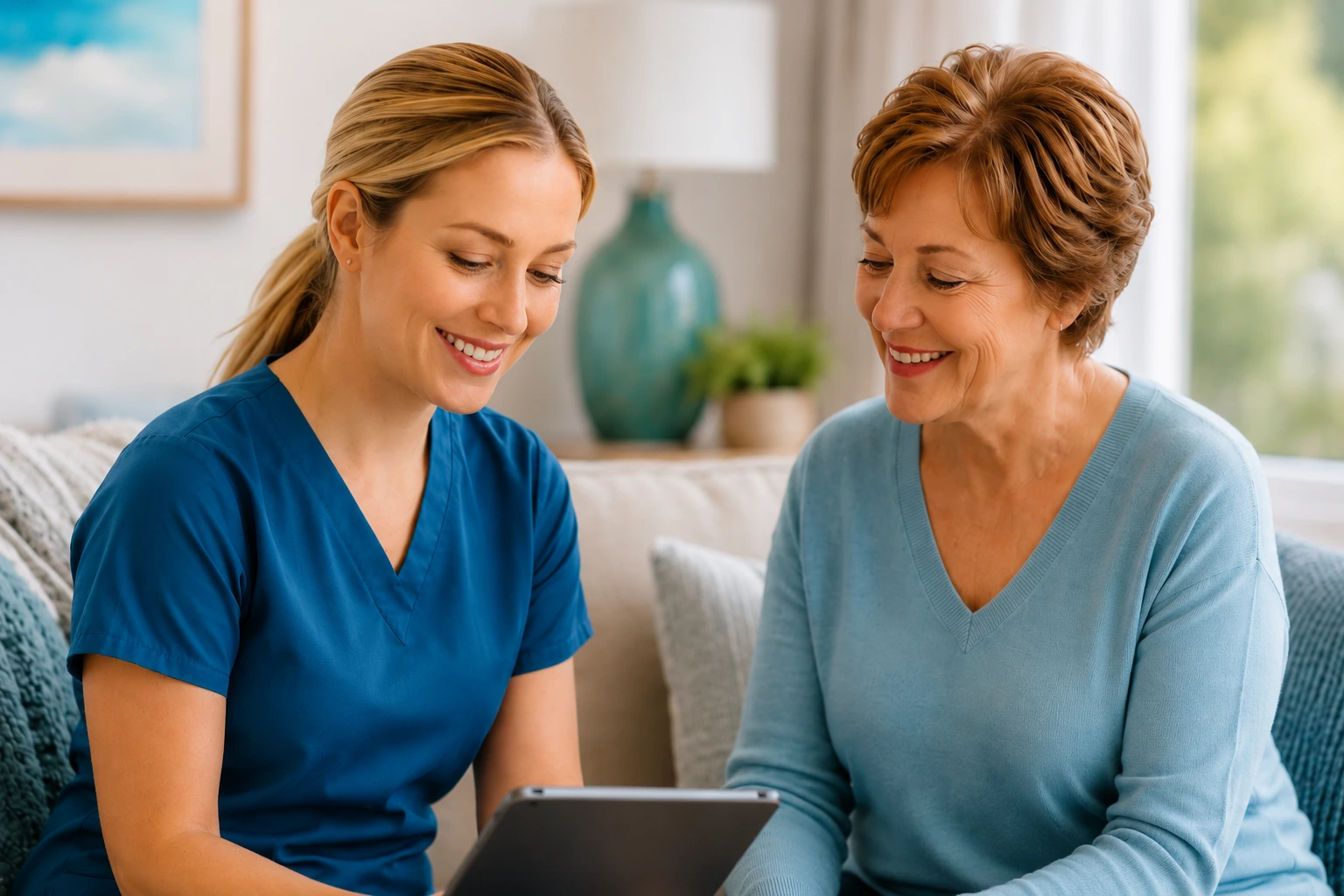
Clear expectations help families choose the right type of support and avoid confusion about what home care can and cannot do.
FAQ
How can home care help seniors at home?
Home care can help seniors by supporting daily routines, personal care needs, companionship, light household tasks, meals, and family caregiver relief. The goal is to make everyday life at home feel more manageable and comfortable.
Can non-medical home care help with comfort and daily routines?
Yes. Non-medical home care can help with bathing, dressing, grooming, meal preparation, light housekeeping, companionship, and routine support. It does not provide medical treatment, but it can support daily comfort and structure.
When should a family consider home care for an aging parent?
Families may consider home care when a loved one is struggling with personal routines, meals, household tasks, isolation, or long periods alone. It may also be time to ask about help when family caregivers feel overwhelmed.
Conclusion
Home care can help seniors stay more comfortable at home by supporting the routines, tasks, and relationships that shape daily life. It can also help families feel less alone when care needs begin to change.
For many Chicago area families, the right support may include Personal Care, Companionship, Homemaking, Respite Care, or a thoughtful mix of services.
At Angels Homecare, we help families think through these needs with care, respect, and practical guidance.
Get in touch with us to discuss the home care support that may fit your loved one’s daily needs.